Anion Gap Calculator for Acid Base Status Interpretation
What’s the Anion Gap?
The anion gap is a derived value used to evaluate acid-base status and identify certain kinds of metabolic acidosis. It shows the discrepancy between the measured positively charged and negative ions in the blood, especially the main electrolytes found on a routine chemistry panel. In clinical practice, the anion gap helps clinicians find hidden acids or other unmeasured ions that may not be obvious from routine laboratory values alone.
The most commonly measured sodium, chloride, and bicarbonate values are the core of the calculation. These results come from a standard electrolyte panel or serum chemistry test. Because the body must maintain tight acid-base balance, even small shifts in these values can give useful clues about a broader metabolic disorder or systemic illness.
Although the anion gap is not a standalone diagnosis, it is a important diagnostic tool for screening and cause identification. A normal or abnormal result should always be interpreted in clinical context rather than in isolation.
How the Anion Gap Calculator Operates
An anion gap calculator relies on the anion gap formula to perform a simple calculation from your laboratory results. The classic version is:
Anion gap = Sodium − (Chloride + Bicarbonate)In some cases, clinicians include potassium in the formula, especially in older teaching models or special cases:
Anion gap = Sodium + Potassium − (Chloride + Bicarbonate)Most contemporary reading relies on the sodium-based formula without potassium, but either method is valid if you keep consistent with the same reference range and interpretation approach. The calculator simply arranges the numbers from the serum chemistry panel and does the arithmetic, saving time and reducing transcription errors.
Typical inputs include:
- Sodium
- Chloride
- Bicarbonate
- Sometimes potassium
As the result is based entirely on these lab values, the calculator is only as accurate as the underlying measurements. It is a useful shortcut, but it does not substitute for professional interpretation, especially when the patient has challenging acid-base physiology or multiple abnormalities simultaneously.
Typical Anion Gap Range and Meaning
The reference range for the anion gap depends on the measurement method and whether potassium is included. Different instruments and testing techniques can shift the expected reference range, so the correct interpretation should always use the lab’s own published range. In many settings, a typical sodium-based anion gap is roughly in the lower teens, but the exact cutoff varies.
A normal anion gap does not automatically mean everything is normal, and an elevated value does not tell you the cause by itself. Instead, the result should be used as a clue in the broader evaluation of acid-base disorders. One of the most important uses is distinguishing between metabolic acidosis with excess unmeasured acids and acidosis caused by direct bicarbonate loss or chloride gain.
In general, interpretation follows this pattern:
- Normal anion gap: often seen when bicarbonate loss is balanced by chloride increase.
- High anion gap: suggests extra unmeasured acids in the blood.
- Decreased anion gap: less common, but may occur with low albumin, lab issues, or unusual ions.
The result becomes much more meaningful when compared with the patient’s symptoms, medication history, acid-base balance, and other serum chemistry findings.
Elevated Anion Gap Metabolic Acidosis Causes
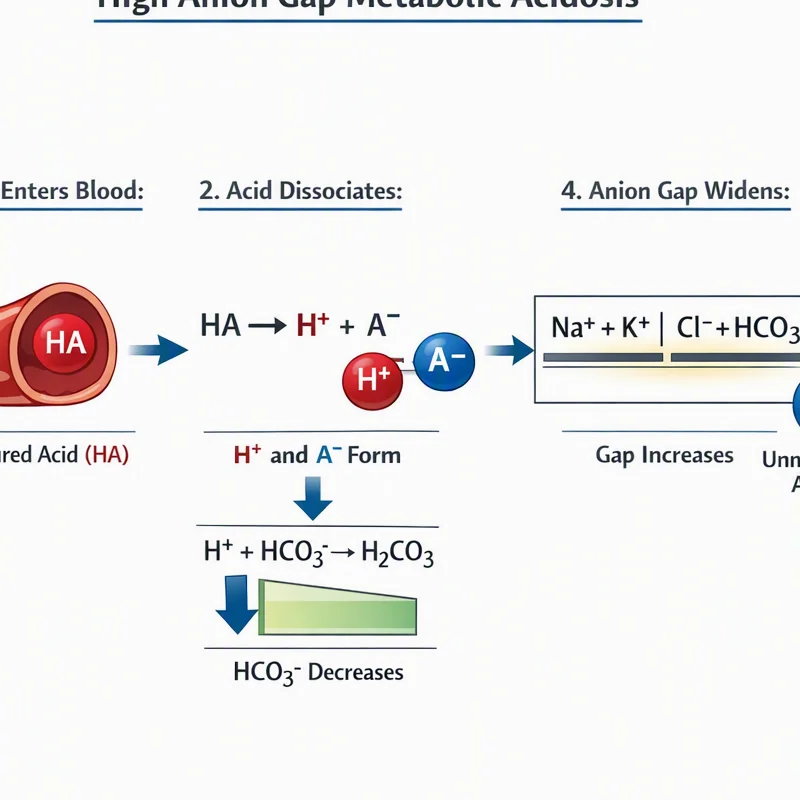
High anion gap metabolic acidosis happens when the bloodstream holds extra acids that are not directly measured by the standard electrolyte panel. These unseen acids reduce bicarbonate while widening the gap between sodium and the sum of chloride plus bicarbonate. This pattern is one of the most important signals in acid-base evaluation.
Frequent causes include lactic acidosis, ketoacidosis, renal failure, and toxic ingestions. Each cause represents a different mechanism of acid accumulation:
- Lactic acidosis: rise of lactate due to reduced tissue oxygen delivery, shock, severe infection, seizures, or other stress states.
- Ketoacidosis: accumulation of ketones, often related to diabetes, starvation, or alcohol use.
- Renal failure: decreased kidney ability to clear acids and regenerate bicarbonate.
- Toxic ingestions: substances such as methanol, ethylene glycol, salicylates, or other poisons can cause dangerous acid-base changes.
As these disorders can signal serious illness, a high anion gap should prompt rapid evaluation of the patient’s clinical status. The size of the gap can help with severity assessment, but the exact diagnosis still depends on the full picture, including symptoms, vital signs, and additional laboratory testing.
Typical Anion Gap Metabolic Acidosis Reasons
Normal anion gap metabolic acidosis is also called hyperchloremic acidosis because chloride often increases as bicarbonate falls. In this case, the body diminishes bicarbonate or fails to regenerate it properly, but the change is offset by an increase in chloride, so the overall anion gap remains within the normal range.
Two common causes are diarrhea and renal tubular acidosis. Diarrhea causes direct loss of bicarbonate from the gastrointestinal tract. Renal tubular acidosis occurs when the kidneys cannot handle acid secretion or bicarbonate reabsorption effectively. In both settings, the change is often visible on the electrolyte panel https://anion-gap-tool058.publishlane.com/posts/can-potassium-be-included-in-the-anion-gap-calculation as a falling bicarbonate level with a relative chloride increase.
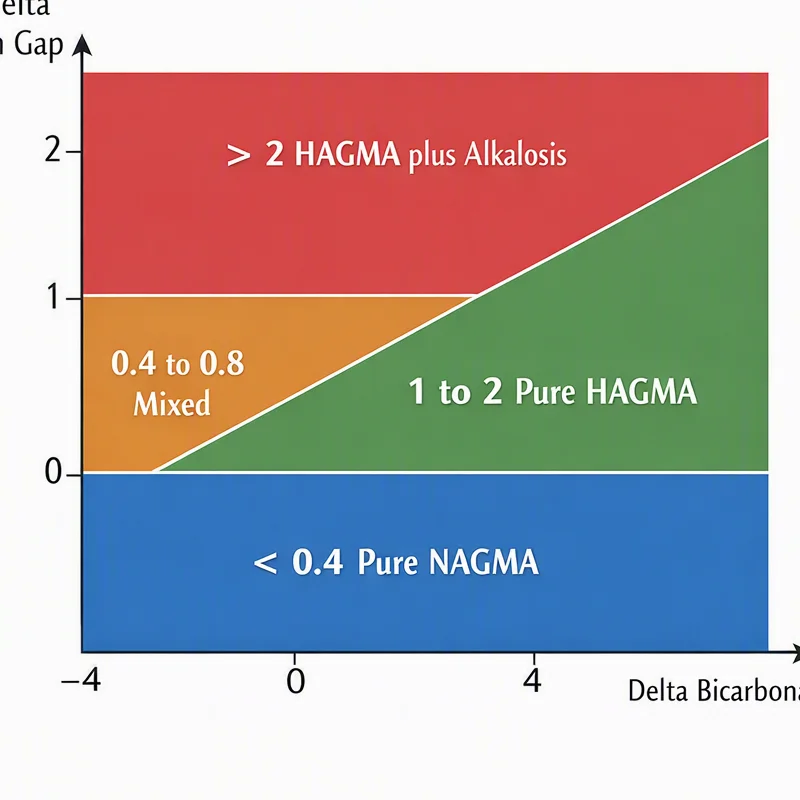
Other contributors may include certain intravenous fluids, kidney disorders, and medications that affect acid handling. The key concept is that the body is losing bicarbonate rather than accumulating a large amount of unmeasured acid. That distinction is central to the interpretation of acid-base status.
Albumin Adjustment and Its Clinical Importance
Albumin in serum is a major unmeasured anions in the blood. When albumin is low, the measured anion gap may look falsely normal or only mildly elevated even when a true acid load is present. This is why correcting albumin matters.
The albumin-corrected anion gap adjusts the result for hypoalbuminemia. Since albumin carries a negative charge, lower levels lower the expected gap. Without correction, a patient with low albumin may have an underestimated gap and a missed clue to metabolic acidosis.
This correction is especially important in hospitalized patients, critically ill patients, or anyone with poor nutrition, inflammation, liver disease, kidney disease, or other causes of reduced protein. In those settings, using the corrected value gives a more accurate comparison against the expected reference range and improves cause identification.
A practical approach is to remember that albumin is part of the chemistry behind the calculation, even though it is not in the basic formula. The anion gap calculator may show both the uncorrected and corrected result so that interpretation is more reliable.
Detailed Walkthrough to Working with the Calculator
Operating the calculator is simple if you provide the correct serum sodium, serum chloride, and serum bicarbonate results from the same blood sample. Accurate matching of the numbers matters because even small timing differences can affect the calculation.
Complete these actions:
- Enter the serum sodium value from the chemistry panel.
- Enter the serum chloride value.
- Enter the serum bicarbonate value, sometimes listed as CO2 or total CO2.
- If prompted, enter potassium for a potassium-based calculation.
- Examine the output and compare it with the lab’s reference range.
- If albumin is available, apply albumin correction to determine the corrected anion gap.
The calculation itself is simple, but the real value comes from interpreting the result with the patient’s symptoms and other findings. Consider the calculator as a efficient way to organize serum chemistry information, not as a replacement for clinical evaluation.
Understanding Values In Light of the Clinical Context
The anion-gap value is especially useful when used together with an arterial blood gas, particularly if the acid-base problem is multifactorial. The blood gas provides the pH, carbon dioxide level, and evidence of respiratory compensation. Together with the anion gap, it helps separate primary metabolic from respiratory processes and shows whether there is true acidemia or alkalemia.
Other important markers include base deficit, which indicates the magnitude of metabolic acid burden, and the overall trend in bicarbonate. A low bicarbonate with a high anion gap is consistent with a diagnosis of high-gap metabolic acidosis, but a mixed process can blur the pattern.
Interpretation should always answer a few key questions:
- Does the patient acidotic on the blood gas?
- Does the chemistry panel show a high or normal gap?
- Is there evidence of compensation or a mixed process?
- What clinical findings support the underlying diagnosis?
This approach connects the number to the bedside picture. For example, severe illness with elevated lactate points toward lactic acidosis, while hyperglycemia or starvation may point toward ketoacidosis. Kidney dysfunction may suggest renal failure as the cause, while exposure history may raise concern for toxic ingestions.
Common Pitfalls and Drawbacks
Although the anion gap is useful, it has important limitations. One common issue is lab error. Since the result comes from multiple measured electrolytes, any problem in specimen handling, analyzer performance, or transcription can distort the final value. Unexpected results should be repeated if they do not fit the clinical picture.
A mixed acid-base disorder can also mask the expected pattern. For example, a patient may have metabolic acidosis plus metabolic alkalosis, or metabolic acidosis plus respiratory compensation that does not fit the usual pattern. In those cases, the gap alone may fail to reflect how sick the patient is.
Ionized calcium is an additional variable that can alter the broader interpretation of acid-base balance, even though it is not part of the formula. Variations in calcium balance may matter in critical illness and may influence the broader evaluation.
Medications can also alter acid-base balance or electrolyte patterns. Some drugs cause acidosis, elevate chloride, impair kidney function, or shift the expected laboratory profile. Because of these limitations, the anion gap should be treated as a single part of the diagnostic puzzle rather than the whole diagnosis.
In short, the calculator is a valuable interpretation aid, but not a standalone decision-maker. The most accurate use comes from combining the number with serum albumin, blood gas data, history, medication review, and total clinical context.
FAQs About the Anion Gap Calculator
What is an anion gap calculator used for?
An anion gap calculator is used to quickly perform the anion gap calculation from routine electrolyte values. It helps determine acid-base status, check for metabolic acidosis, and assist cause identification when the result is abnormal. It is especially useful when reviewing serum chemistry or an electrolyte panel in a patient with suspected acid-base problems.
What is the normal anion gap range?
The normal range depends on the laboratory and its measurement method, so the best answer is the lab’s own reference range. Many labs report a sodium-based anion gap in the low teens, but the exact number can differ. Always interpret the result using the range provided by the testing facility.
How do you calculate the anion gap from lab values?
The standard anion gap formula is sodium minus the sum of chloride and bicarbonate. In other words: sodium − (chloride + bicarbonate). Some versions also include potassium, but the sodium-based version is most commonly used. The values should come from the same blood sample to keep the calculation accurate.
Why is correction done for the anion gap for albumin?
You correct the anion gap for albumin because serum albumin is a primary unmeasured anion. When albumin is reduced, the measured gap may appear falsely normal. The corrected anion gap helps compensate for hypoalbuminemia and offers a more accurate assessment of possible metabolic acidosis.
What does an elevated anion gap indicate in acid-base status?
A high anion gap usually suggests high anion gap metabolic acidosis, meaning there are extra unmeasured acids in the blood. Common causes include lactic acidosis, ketoacidosis, renal failure, and toxic ingestions. The result should be considered with the arterial blood gas, pH, bicarbonate level, and the overall clinical picture to support the diagnosis.